Root Canal Treatment
Root canal treatments are often required when bacteria gain entrance to the nerve (pulp) space of teeth through cracks, fractures, caries (cavities) or defective restorations. As the infection progresses, inflammation in the pulp and the regions surrounding the tooth can often cause pain and swelling. Common symptoms of teeth with irreversibly inflamed/infected pulp space include increased and prolonged sensitivity to hot and cold stimuli, spontaneous ache, pain to pressure, swelling and severe discomfort affecting sleep. Root canal treatment involves removal of the infected nerve tissues from within the affected tooth, so that you may keep your natural teeth. In most situations, it is preferable to retain your normal teeth rather than replace them with dental implants or dentures.
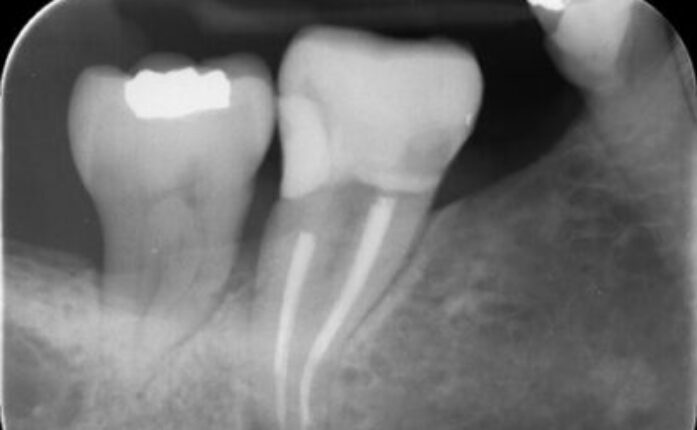
Generally 1-2 visits will be required for root canal treatments. Once the infected contents of the nerve space are thoroughly cleaned, an antibacterial paste may be placed inside the root canal system to allow further disinfection. Finally, a root filling is carefully placed inside the root canals to protect against future reinfection of the root canal system. A final filling is then placed to restore the tooth into a stable state. In some cases, it is recommended that you return to your general dentist so that a crown/onlay can be placed to further protect the tooth against fracture. It is generally advisable to avoid chewing hard foods on the root-treated tooth until the crown/onlay is placed. The literature shows that the most optimal time for the placement of the final restoration is within 4 months of root canal treatment.
Root canal treatments can be performed by general dentists, but it is not uncommon for your general dentist to refer you to an endodontist for demanding root canal treatments for the best-possible result. Endodontists are trained experts who will ensure that your endodontic treatment is performed in a painless and efficient manner.