Endodontic Microsurgery
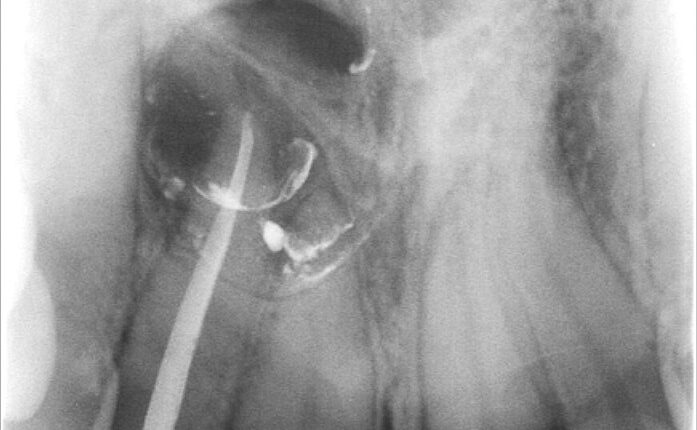
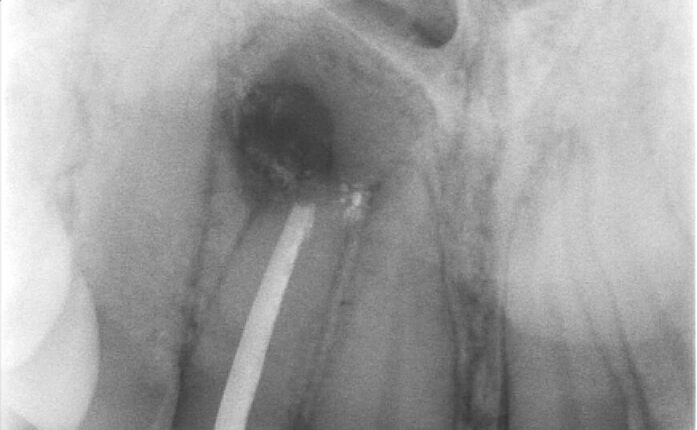
Endodontic microsurgery may be required when the infection at the root end is inaccessible or impractical to treat due to complex restorations. Some cases may also require endodontic microsurgery due to the presence of cysts or granulomas, which may be resistant to conventional treatment. Certain inflammatory lesions and species of bacteria (actinobacteria and propionibacteria) may be resistant to conventional non-surgical treatment.
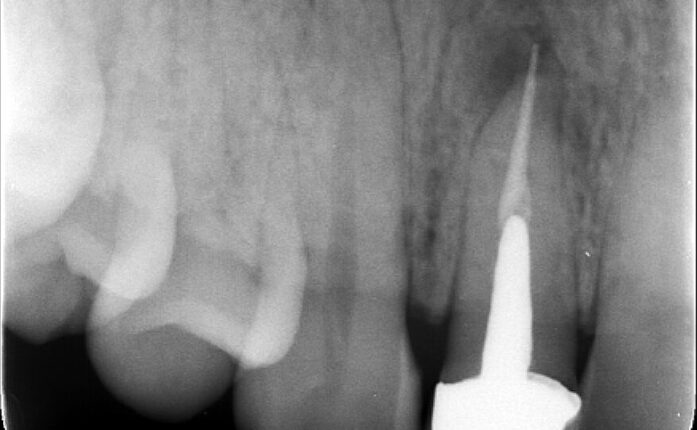
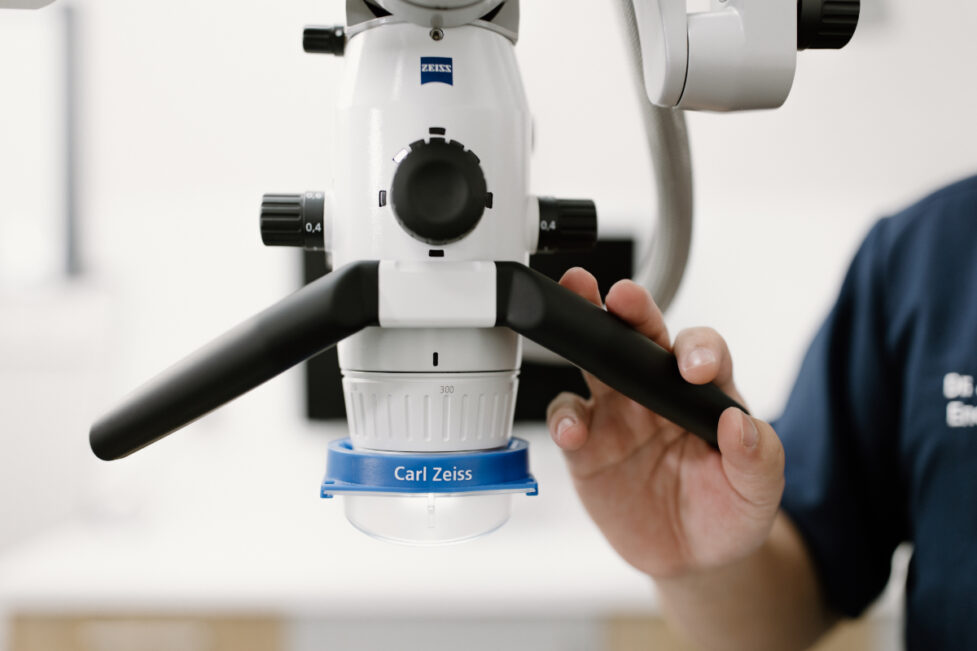
Endodontic microsurgery involves removal of the infected root tip of the tooth and creating a seal using advanced biomaterials to prevent reinfection. Through the use of advanced technologies such as cone beam computed tomography (CBCT) and an operating microscope, endodontists can often help you retain teeth that are suffering from persistent infection.
It has been shown through research that 3D imaging (CBCT) can accurately diagnose the offending tooth/root in the majority of cases and contemporary endodontic microsurgery carry a significantly better success rate over traditional root-end surgery. Traditional surgery are often done without the aid of advanced visualisation aids (e.g. operation microscope) and uses materials that do not provide an adequate seal in the root-end cavity.
Advancements in soft-tissue managements also greatly reduces the risk of significant post-operative soft tissue recession. Endodontic microsurgery uses fine instruments, carefully designed soft-tissue flaps and micro sutures to carefully position the soft tissue back to its original positions. This combined with the highly predictable root-end filling procedure ensures that you get to keep your natural tooth and have a highly aesthetic result.